What Happens If a Child Doesn't Want Their Picture Taken?
One of the questions I'm asked most often by preschool directors is what happens if a child doesn't want their picture taken.
After years of photographing young children, I've come to see that question a little differently. Most children don't actually mind having their picture taken. What they resist is the feeling that they're expected to perform. There's a big difference.
The moment a child believes they have to smile for a stranger, say "cheese," or make the adults around them happy, Picture Day stops feeling like an experience and starts feeling like a test. My job isn't to convince children to smile. It's to create an environment where they forget there was ever anything expected of them in the first place.
Picture Day Begins Before Picture Day
Helping children feel comfortable starts several days before I ever arrive at school.
As a former teacher, a mother, a family photographer, and now a school portrait photographer, I've spent much of my life working with children. One thing I've learned is that children don't open up because we ask them to. They open up when they feel safe.
Every school I work with receives ready-to-send emails for parents before Picture Day. Along with practical information, I always include one request that surprises people: please don't tell your child to smile or say "cheese."
Parents naturally want to help, but imagine being three years old and hearing, "Smile for the nice photographer!" From a child's perspective, who is this "nice photographer"? They've never met me before. Yet they're already expected to make her happy.
Instead, I encourage parents to say something like, "Nicole is coming to school today to take your picture. She's a lot of fun, and I can't wait to see your photos." That simple shift replaces pressure with curiosity, and curiosity is a much better place to begin.
Small Choices Build Confidence
The same philosophy applies to getting dressed for Picture Day.
In my article about what children should wear, I encourage parents to let their child choose between two outfits. It may seem like a small detail, but it gives children a sense of ownership before stepping into an unfamiliar situation.
Young children are naturally egocentric, which is a completely normal stage of development. Having a little control over their morning helps them feel more confident when the rest of the day feels different from their usual routine.
Picture Day isn't just about photographs. It's about creating an experience that children can step into with confidence.
Before I Pick Up My Camera, I Observe
When a child walks over to my backdrop, I don't immediately think about taking their portrait.
I'm trying to understand who has just walked over to meet me.
Some children are excited before they even reach me. Others are quiet and cautious. Sometimes I notice an avoidant look, a body that suddenly becomes very still, or the darting tongue that often tell me a child is beginning to feel overwhelmed.
Those small signals tell me far more than a smile ever could.
The teachers and assistants become part of this process as well. Before we begin, I always explain that children will borrow their confidence from the trusted adults around them. If an assistant walks over with warmth, calmness, and genuine excitement, children naturally assume they're walking toward something safe.
That first walk to my photography area often determines how the next minute unfolds.
Play Is Better Than Performance
Every child is different, which means every interaction is different too.
One child will laugh uncontrollably when I tell them I had worms for breakfast. The next will stare at me with genuine concern, wondering if I might actually eat worms. When that happens, I simply change direction. Maybe we'll whisper. Maybe we'll look for a rainbow hiding inside my camera. Maybe we'll jump, twirl, or see who can do the slowest wink in the world.
Sometimes I'll turn the camera around, point to the portrait, and confidently ask, "Is this teacher Thomas?" The answer is almost always an enthusiastic "Nooo!" followed by a huge grin. For a brief moment, the child forgets about having their picture taken. They're simply delighted to correct an adult who clearly got it wrong.
None of these are tricks.
They're simply different ways of inviting children into play instead of asking them to perform.
Knowing When to Step Back
One of the biggest lessons I learned as a teacher was knowing when not to push. Photography reinforced that lesson.
Years ago, I probably would have kept trying, convinced that one more joke would solve the problem. Experience has taught me something different.
Occasionally, a child arrives looking completely frozen. Instead of trying harder, I'll ask whether they'd like to spend a little more time beside their teacher. They stay nearby, watching from a safe distance while I continue photographing the other children.
More often than not, they'll wander back over a few minutes later on their own.
Nothing about the child has changed.
They simply had time to decide that I was safe.
Authentic Presence, Not Performance
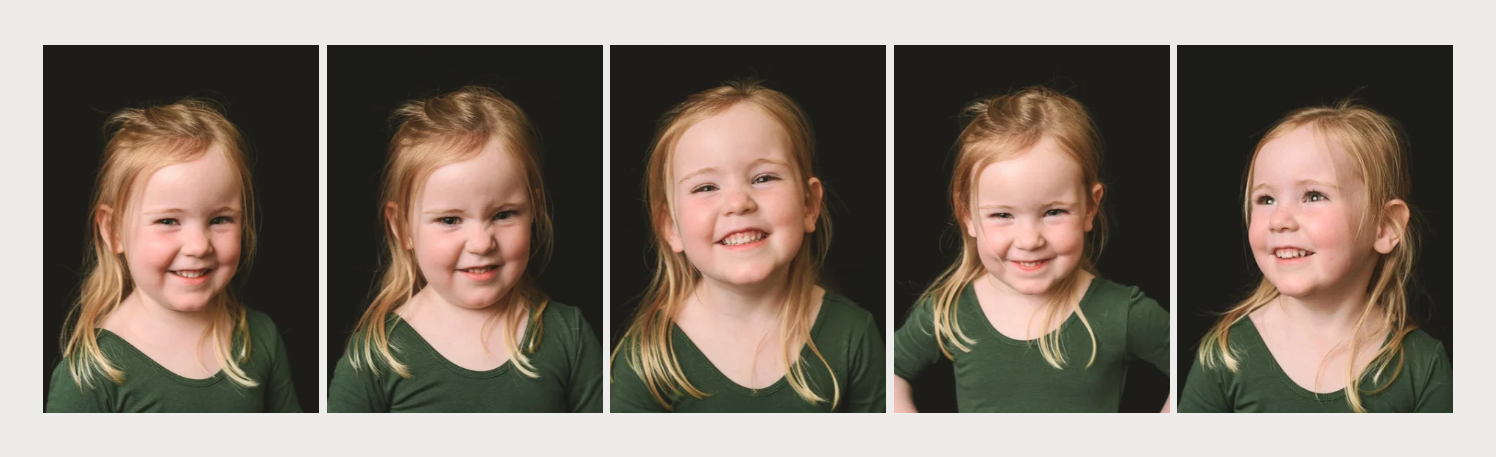
People assume my goal is to make every child smile.
In reality, my goal is to create a space where children feel comfortable enough to show me who they are that day.
Sometimes that's laughter. Sometimes it's curiosity. Sometimes it's a thoughtful expression that their parents recognize instantly because they see it every morning at breakfast.
The less attached I appear to the outcome, the less pressure children feel. Ironically, pretending I don't care about the photograph often leads to the most authentic portraits.
Children don't need another adult telling them to smile ;)
They need an adult who's genuinely interested in meeting them where they are.
One of my favorite moments comes after Picture Day, when parents open their galleries for the first time. Again and again, they tell me, "That's exactly my child." They laugh at the mischievous grin, recognize the thoughtful look they see at home, or discover an expression they've never noticed before.
Those are the photographs that end up framed on walls and tucked into family albums, not because they're perfect, but because they feel true.
A few messages from parents have stayed with me over the years:
“You've captured each of their individual personalities yet again! Can't wait to frame and gift for Christmas to his G-Parents!”
“You took my daughter ‘s portrait last year at CMF. It is our favorite shot of her!! Just wanted to say thank you!”
“I am so happy and obsessed with these. That's my big baby!”
“I like the different emotions that you were able to capture from S. From very serious to funny with her tongue out ;)”
And more…






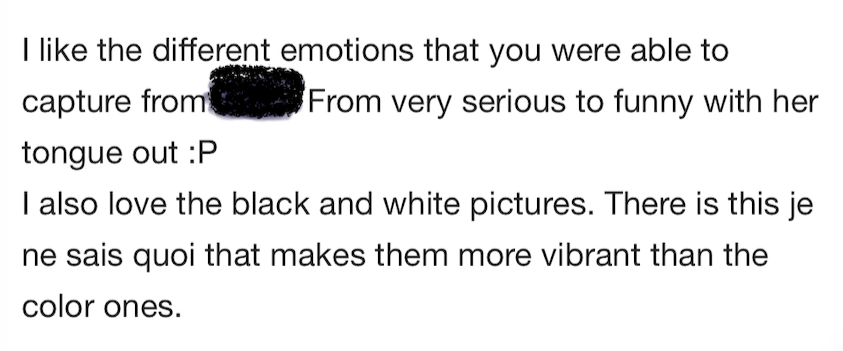
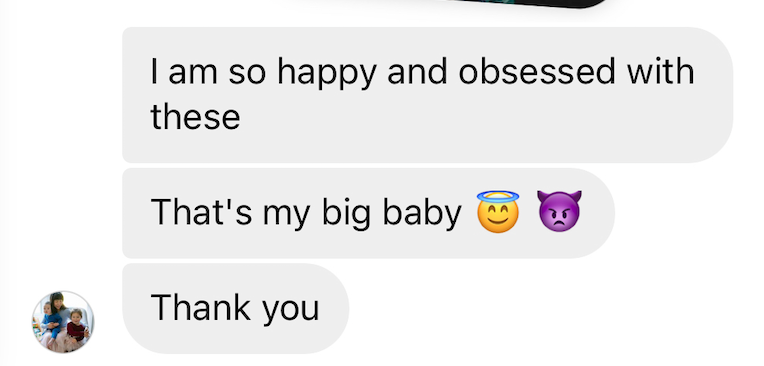
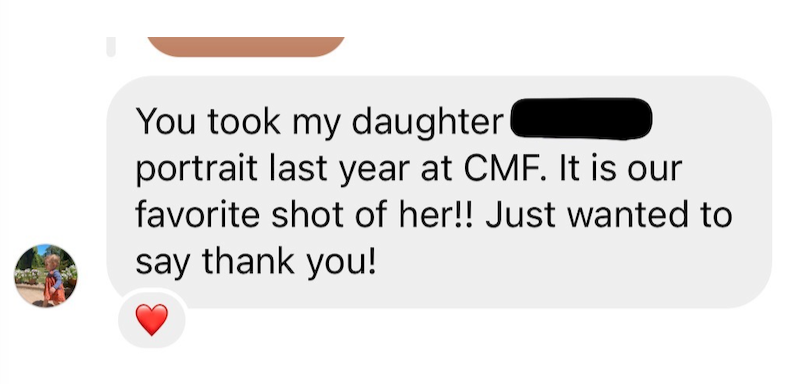
To me, those comments say far more than, "What a beautiful smile." They tell me that parents recognize their child in the photographs.
Children are so much more than a smile. That's what I hope every family discovers when they open their gallery.
Related Articles
If you found this article helpful, you may also enjoy: